Claremont Road bulky rubbish clearance tips for Surbiton homes
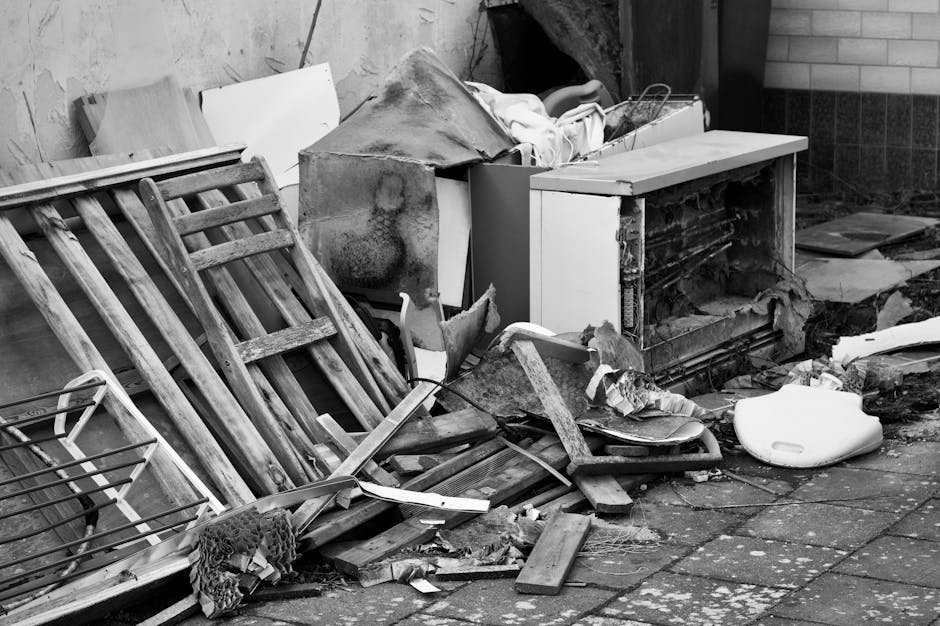
If you live near Claremont Road and you've got a sofa that won't fit through the hallway, a broken wardrobe leaning in the spare room, or a garage that has quietly become a storage unit for "things to deal with later", you are not alone. Claremont Road bulky rubbish clearance tips for Surbiton homes are really about making a messy job feel manageable, safe, and a bit less annoying. The good news? With a simple plan, most bulky clear-outs can be handled without chaos, last-minute panic, or a trail of scratched walls.
This guide breaks down what bulky rubbish clearance involves, how to prepare, what to watch out for, and when it makes sense to choose a professional service. It also covers local realities for Surbiton homes, from tight front paths to shared access and the lovely little surprise of finding an old armchair behind a bicycle you forgot you owned. Let's get it sorted properly.
Why Claremont Road bulky rubbish clearance tips for Surbiton homes matters
Bulky rubbish is different from regular household waste. It takes up space, is awkward to lift, and often includes mixed materials such as wood, metal, fabric, foam, and fixings. That makes it harder to move, harder to sort, and sometimes harder to get rid of responsibly if you do not plan ahead.
In practical terms, clear advice matters because the wrong approach can cost you time, money, and effort. A heavy item dragged across a polished floor can damage the surface. A half-dismantled bed frame in a narrow passage can stall the whole job. And if you wait until the day before visitors arrive, or before a tenancy handover, you end up rushing. Nobody wants that. Not on a weekday, not on a Sunday, not when the rain is doing that fine London drizzle thing either.
For Surbiton homes, access is often a real factor. Some properties have compact driveways, shared entrances, basement steps, or rooms that were never designed with modern flat-pack furniture in mind. Good bulky clearance planning is not just about lifting stuff out. It is about protecting the property, separating useful items from waste, and making sure the collection process runs smoothly.
It also helps with sustainability. If an item can be reused, donated, repaired, or broken down into recyclable components, that is usually better than sending everything to landfill. If you care about that side of things, the page on recycling and sustainability is a useful related read.
How Claremont Road bulky rubbish clearance tips for Surbiton homes works
At a simple level, bulky rubbish clearance follows a clear pattern: identify what needs to go, decide what can be reused or recycled, prepare the items safely, then arrange removal. That sounds obvious, but the value is in the detail.
For example, a single old sofa may look straightforward. But does it have removable cushions? Can the legs come off? Is there a lift or only stairs? Does the item need two people to manoeuvre? Is it wet from storage in a shed? These small things change the job more than people expect.
A proper plan usually starts with a walk-through of the property. Work room by room, not in a random burst of enthusiasm that fizzles after ten minutes. Mark out:
- items to keep
- items to donate or resell
- items for recycling
- items for disposal
- anything potentially hazardous or restricted
If you are clearing several areas at once, such as a loft, garage, and spare bedroom, it can help to group similar materials together. Furniture together. Bagged soft items together. Metal and scrap parts together. Builders-style offcuts separate from household clutter. That makes the lifting, loading, and sorting easier later on.
Many households use a professional service when the job is too large for a car boot run or when the furniture is bulky enough to block a hallway. In those cases, services such as furniture clearance, house clearance, or home clearance may be more practical than trying to tackle everything alone.
Key benefits and practical advantages
There is a reason people keep searching for better bulky rubbish clearance tips. Once the process is organised, the benefits show up quickly.
- More usable space: Clearing one large item can transform a room. A spare room stops feeling like a storage cupboard with windows.
- Less stress: You are not moving the same wardrobe three times while deciding what to do with it.
- Reduced risk of damage: Careful handling helps protect walls, bannisters, floors, and door frames.
- Better sorting: Items can be directed to reuse, recycling, or disposal more cleanly.
- Faster completion: A planned clear-out always beats improvising on the day.
- Cleaner handover: Helpful for landlords, tenants, sellers, and families preparing a property for viewings.
There is also a mental benefit, and it is real. A cluttered space can quietly weigh on you. Once the bulky stuff is gone, the room feels lighter. Brighter too. You notice the floor again, which sounds silly until you experience it.
For people comparing services, it can help to look at related options such as garage clearance, loft clearance, or furniture disposal if the items are not suitable for reuse.
Who this is for and when it makes sense
This kind of clearance is useful for a wide range of Surbiton households. You might need it if you are moving, renovating, downsizing, inheriting a property, preparing for a new tenancy, or simply getting your space back after years of accumulation.
It especially makes sense when the items are:
- too heavy to move safely alone
- too large for a standard bin collection
- stored awkwardly in a loft, garage, or garden room
- mixed with other clutter and hard to sort
- being removed from a flat, maisonette, or upper floor property
It is also a smart choice after a DIY project. Old doors, broken cabinets, damaged shelving, and leftover timber can fill a room faster than you expect. If your bulky waste includes renovation leftovers, the page on builders waste clearance may be relevant too.
Truth be told, many people wait until the pile has become visually irritating before acting. Fair enough. That is normal. But if an item is obstructing access, causing a trip hazard, or preventing you from using the room properly, it is usually the right moment to deal with it.
Step-by-step guidance
Here is a practical way to handle bulky rubbish without making the job harder than it needs to be.
1. Walk through the property and identify every bulky item
Do a slow, room-by-room scan. Look in corners, behind doors, under stairs, in lofts, and inside outbuildings. People often remember the obvious sofa and forget the cracked chest of drawers upstairs. It happens all the time.
2. Separate keep, reuse, recycle, and dispose
Set up four zones if possible. Even a couple of corners in the hallway will do. The aim is to stop items drifting back into the "maybe later" category. That category is dangerous. It is where clutter goes to breed.
3. Check whether items can be dismantled
Bed frames, wardrobes, shelving, and some desks can be broken into smaller sections. Remove shelves, doors, handles, or legs where it is safe to do so. Keep screws and fixings in a labelled bag. A minute spent now can save a lot of awkward carrying later.
4. Protect the route out
Measure doorways, clear the path, and move fragile items out of the way. If rain, mud, or damp is involved, lay something down to protect internal floors. You do not want to realise too late that the damp patch from the doorstep has made the hallway slippery.
5. Decide what needs specialist handling
Some items are simply not worth wrestling with alone. Very large wardrobes, old corner sofas, broken exercise equipment, or heavy garage clutter can be better handled by trained removers. If the clear-out involves mixed household items, a broader waste removal service may be the neatest option.
6. Book the collection or plan the transport
Once you know what is going, choose a time that gives you breathing room. Morning slots are often easier if you need the rest of the day to clean up afterward. If you are booking a professional team, ask what access they need and whether they can handle stairs, tight corners, or heavier lifting.
7. Do a final sweep before loading starts
Check cupboards, drawers, and under beds one last time. It is surprisingly easy to leave a box of cables behind because you were focused on the big stuff. Then, when the room looks empty, you discover the mysterious drawer of remote controls. Slightly embarrassing. Very common.
Expert tips for better results
A few small habits can make a bulky clearance noticeably easier.
- Take photos before you start: Handy for planning, quoting, and remembering what belongs where.
- Work from the easiest item to the hardest: Quick wins build momentum. Momentum matters.
- Use labels or coloured tape: Especially useful if several people are helping.
- Keep pathways open: Do not stack cleared items where they block the next item.
- Be realistic about lifting: If you need to twist, strain, or guess the weight, stop. That is a warning sign.
- Check whether items still have reuse value: A service that handles furniture, flat contents, or mixed household waste may be able to separate items more intelligently than a rushed DIY clear-out.
One underrated tip: schedule the work around the household. If children, pets, or neighbours are likely to be underfoot, choose a calmer time. Early afternoon on a weekday can be easier than trying to squeeze it into a busy Saturday. Not always, but often.
If you are dealing with a flat or upper-floor property, look at flat clearance for situations where access and stairs are part of the challenge. That tiny bit of planning can save a lot of effort.
Common mistakes to avoid
Bulky clearance goes wrong in predictable ways. Avoiding these mistakes saves time and avoids headaches.
- Starting without a sort: If everything is treated as waste from the beginning, you can miss reuse or recycling opportunities.
- Underestimating access issues: Door width, stair turns, and hallway space matter more than people think.
- Leaving dismantling too late: Trying to remove a bed frame minutes before collection is stressful and clumsy.
- Mixing fragile and heavy items: That is a recipe for broken ornaments and bruised shins.
- Ignoring safety: Gloves, sturdy shoes, and a clear path are not overkill.
- Forgetting paperwork or permissions: Relevant if you live in shared accommodation or a managed building.
One of the biggest mistakes is trying to "just do it in one go" without any preparation. That usually turns into several goes, a couple of sighs, and one sore back. Better to plan for an orderly clear-out than a heroic one.
Tools, resources and recommendations
You do not need a van-load of specialist gear, but a few basic tools make a big difference.
- strong work gloves
- sturdy shoes with grip
- packing tape and marker pens
- zip ties or cable ties for loose parts
- basic screwdriver set for dismantling
- dust sheets or old blankets for protecting floors
- bags or boxes for screws, small fittings, and loose components
If you are clearing out a garage, it can help to combine the job with garage clearance planning so you can sort tools, tins, bikes, and old storage items separately. For garden furniture, sheds, and seasonal clutter, garden clearance may be more appropriate.
Practical recommendation: keep one box labelled "decision later" and make that box small. If it grows too large, you have not organised the clear-out; you have postponed it. Which, let's face it, is a very human habit.
Law, compliance, standards, or best practice
For bulky rubbish, the main compliance principle is simple: waste should be handled responsibly and passed to an authorised carrier where appropriate. In the UK, householders still have a duty of care in practice to make sensible choices about who removes their waste and where it is likely to end up. You do not need to become a legal expert, but you should be cautious about fly-tipping risks and vague cash-only offers with no clear paperwork.
Best practice is to choose a service that explains how waste is handled, what happens to reusable items, and how sorting or recycling is approached. It is also sensible to ask how access, lifting, and safety are managed, especially in tight homes or shared buildings. If a provider seems vague about these points, that is usually not a great sign.
Safety matters too. Heavy lifting, sharp edges, broken glass, old fixings, and damp or mouldy items can all present real hazards. If you are handling clutter from a loft or garage, it is sensible to read about health and safety policy and insurance and safety if you want a clearer picture of how a professional team approaches risk.
For pricing transparency and payment reassurance, the pages on pricing and quotes and payment and security can be helpful background when you are comparing options.
Options, methods, or comparison table
If you are deciding how to deal with bulky waste, the right method depends on time, access, item size, and how much sorting you want to do yourself.
| Method | Best for | Pros | Watch-outs |
|---|---|---|---|
| DIY transport | Small loads, a few manageable items | Direct control, flexible timing | Physical effort, vehicle size limits, multiple trips |
| Mixed household clearance | Several bulky items across rooms | Good for whole-home decluttering, less manual work | Needs planning, may require sorting beforehand |
| Furniture-specific removal | Sofas, beds, wardrobes, tables | Efficient for heavy furniture, neat process | Not ideal if the load includes lots of non-furniture waste |
| Garage or loft-focused clearance | Stored clutter and awkward access areas | Useful for hard-to-reach spaces, faster decision-making | Access issues can slow things down if not prepared |
| Professional waste removal | Mixed bulky waste and time-sensitive jobs | Convenient, less stress, often best for larger loads | Costs vary depending on volume and complexity |
If your main issue is one large item, a targeted service may be enough. If the whole room has become a puzzle of chairs, boxes, and old storage, a broader home or house clearance approach is usually cleaner. For smaller but still awkward items, targeted furniture disposal can be the right middle ground.
Case study or real-world example
Imagine a typical Surbiton semi where the spare bedroom has slowly turned into overflow storage. There is an old sofa bed, two broken shelving units, a baby cot no longer needed, and a box of random bits that no one wants to open because, well, mystery is sometimes best left alone.
The first step is a walk-through. The household decides the sofa bed is for disposal, the cot may be passed on, and the shelving units can be dismantled. They set aside a corner for screws and loose fittings, clear a route from the bedroom to the front door, and move a mirror out of harm's way.
On the day, the work goes much smoother because the decisions were already made. No debate over what stays. No searching for the Allen key mid-lift. No last-minute panic over whether the hallway is wide enough. The room is cleared, the floor is swept, and the space becomes usable again. That is the bit people remember - the sudden sense of relief when the room finally feels like a room.
For a larger whole-property move, a family might choose a more comprehensive house clearance or home clearance route, especially where time is tight or items are spread across several floors.
Practical checklist
Use this checklist before any bulky rubbish clearance on or near Claremont Road.
- Identify every bulky item in each room
- Separate keep, reuse, recycle, and dispose piles
- Check for sharp edges, broken glass, damp, or mould
- Measure doors, stairs, and tight corners
- Dismantle items where safe and sensible
- Gather gloves, tape, bags, boxes, and protective sheets
- Clear the route from each item to the exit
- Confirm access arrangements and timing
- Keep important documents, valuables, and keepsakes aside
- Do a final sweep before loading or collection
Quick rule of thumb: if an item is too awkward to move safely, too heavy for one person, or too large to pass through the route without risk, it is usually worth getting help rather than pushing on and hoping for the best.
Conclusion
Bulky rubbish clearance does not have to be a huge ordeal. With a little structure, a realistic plan, and the right sort of help when needed, even a cluttered Surbiton home can be turned around without drama. The key is to sort first, move carefully, and stay honest about what you can safely handle yourself.
For many Claremont Road households, the fastest route to a cleaner, calmer home is a mix of preparation and professional support. That might mean targeted furniture removal, a garage tidy-up, or a broader house or home clearance depending on the scale of the job. The main thing is to start. Once you do, the job gets smaller very quickly.
Get a free quote today and see how much you can save.
A clear space has a way of improving the whole day. Sometimes the room changes first, and then your mood catches up a moment later. That part is always nice.
Frequently Asked Questions
What counts as bulky rubbish in a Surbiton home?
Bulky rubbish usually means large household items that are awkward to move or too big for normal bin collection. Sofas, wardrobes, mattresses, shelving, tables, and broken furniture are common examples.
Can I leave bulky items outside for collection?
Only if you have arranged it properly and it is safe to do so. Items left outside without coordination can create obstruction, weather damage, or complaints from neighbours. It is better to agree the timing in advance.
Do I need to dismantle furniture before removal?
Not always, but dismantling can make the job easier and safer. If an item can be broken down without damage or risk, it usually helps with moving, loading, and access through narrow spaces.
Is bulky rubbish clearance suitable for flats as well as houses?
Yes. In fact, flats often benefit from careful clearance planning because stairs, shared entrances, and limited parking can make lifting and loading more complicated. Flat access needs a bit more thought, that is all.
What should I do with items that could be reused?
Separate them from waste early. Good-condition furniture, fixtures, or household items may be suitable for reuse or donation, depending on their condition. Once they are mixed into general clutter, it becomes harder to spot those opportunities.
How can I protect my walls and floors during a bulky clearance?
Clear the route first, use blankets or dust sheets where needed, and avoid dragging items. If something is especially awkward or heavy, get help rather than risking a scuff, dent, or fall.
What if my bulky rubbish includes garden waste or DIY leftovers?
Those items may need a different approach from standard furniture removal. Garden cuttings and outdoor clutter are often handled through garden clearance, while renovation debris may fit builders waste clearance better.
How do I know whether to choose home clearance or furniture clearance?
If you mainly have furniture to remove, furniture clearance is usually the tighter fit. If the job includes a mix of furniture, bagged clutter, and items from several rooms, home clearance or house clearance is often more practical.
Are there safety concerns with old bulky items?
Yes. Old furniture can hide sharp fixings, splinters, dust, mould, or unstable parts. Heavy lifting also carries a strain risk. If something looks unsafe, treat it as such and do not be brave for the sake of it.
How far in advance should I plan a bulky rubbish clearance?
For a small job, a day or two may be enough if everything is ready. For a larger clear-out, give yourself more time so you can sort, dismantle, and prepare access properly. Rushing always makes the job feel twice as big.
What if I have a garage or loft full of mixed clutter?
That is a very common scenario. Start by splitting it into categories, then focus on one section at a time. If the space is packed and awkward to access, a targeted garage clearance or loft clearance service can save a lot of effort.
Why is it worth using a professional service at all?
Because bulky items are often heavier, messier, and more awkward than they first appear. A professional team can reduce the lifting, simplify the process, and help get the job done without turning your weekend into a mild disaster.