Garden Clearance in Surbiton
Garden Clearance Surbiton services help householders and property managers clear outside spaces in a tidy, practical way, with an emphasis on sorting, lifting, loading and responsible removal. Whether a garden has become crowded with branches, soil bags, broken pots, old timber, shed contents or mixed green waste, the aim is to restore usable space without leaving the job half-finished. Our work is arranged around the materials present, the access available and the level of clearing needed, so the service can suit routine maintenance as well as one-off larger clearances.
We handle garden waste removal and related outdoor clearance tasks that often build up over time. That can include cuttings after pruning, hedge trimmings, turf, dead plants, storm debris, planters, fencing offcuts and general outdoor clutter. If the space also contains items that are no longer needed, we can separate them from the organic waste so the right material is dealt with in the right way. This helps make the clearance orderly, especially when the garden includes a mixture of recyclable, reusable and non-recyclable items.
A useful quotation is easier to prepare when the main materials and access points are clear. If you are comparing options, start with what needs to go, where it is stored and whether there are any awkward paths, steps or narrow side returns. We can then shape the job around the real conditions rather than a generic estimate. Pricing and quotes is also worth reviewing if you want to understand how different clearance requirements are usually approached before you decide how much help you need.
Outdoor clearance for overgrown and mixed garden waste
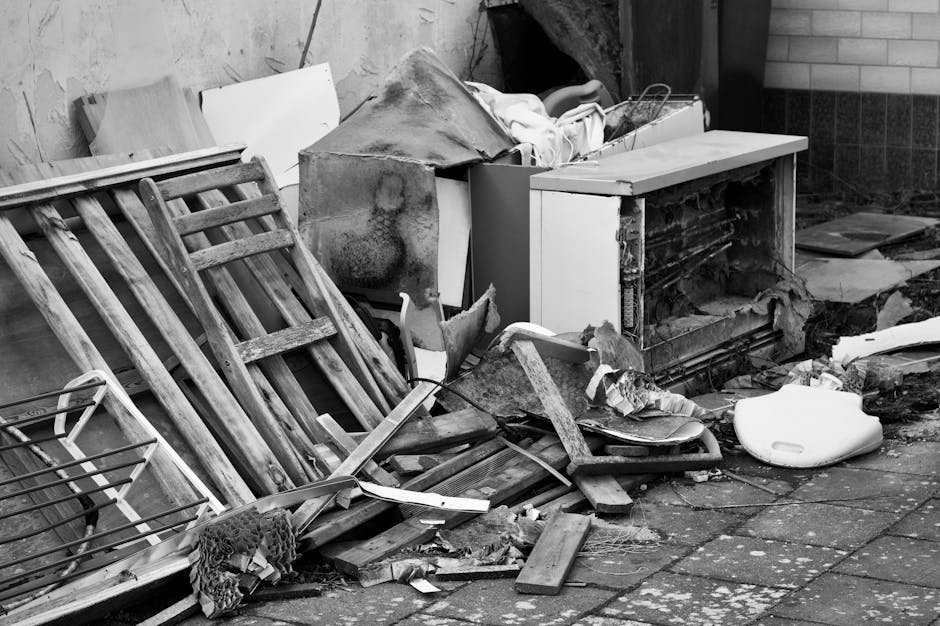
Garden clearance is not always limited to a simple green-waste load. Some gardens contain a combination of overgrowth, domestic rubbish, damaged materials and forgotten storage items, which means the job benefits from careful sorting rather than a quick sweep-through. Our service can be arranged for seasonal cutbacks, post-renovation clearing, end-of-tenancy outdoor tidying and the removal of old materials left behind after landscaping work. The objective is to leave the space ready for its next use, whether that is replanting, lawn repair or a more open layout.
Because outdoor clearances vary so much, it helps to think in practical groups. Common examples include hedge trimmings, leaves, weeds, branches, soil, rubble from small boundary repairs, broken garden furniture, plant containers and weathered timber. A thorough approach avoids mixing everything together unnecessarily and makes it easier to manage heavier or messier items in a controlled order. If you have a particularly cluttered area, we can work from the most accessible section first and then move through the rest of the space systematically.
What a typical garden clearance can include
Although each job is different, the work often covers a straightforward set of outdoor tasks: lifting loose materials, bagging lighter waste, handling bulky items, separating green waste from non-green materials and loading everything for removal. When a garden has become difficult to use, a sensible clearance plan usually starts with the items that are easiest to move and then progresses to heavier sections. This keeps the process practical and avoids damage to paths, beds or nearby structures. It also means the final result is easier to assess and complete.
Garden sheds, stored items and hard-to-reach spaces

Many garden clearances involve more than the visible open area. Sheds, side passages, rear corners and storage zones often hold broken tools, disused planters, old hose reels, turf remnants, timber offcuts and other items that no longer have a clear purpose. Clearing these spaces can be especially useful before repairs, decoration or replacement storage is planned. We can work methodically so that items are removed without creating extra mess, which is helpful where the garden includes damp surfaces or restricted access.
One practical benefit of a properly ordered garden clearance is that it makes hidden issues easier to notice. Once clutter is reduced, it becomes simpler to see damaged fencing, drainage problems, poor edging, uneven ground or neglected borders. This does not turn the service into a repair visit, but it can support the next stage of work by making the space clearer to assess. In some cases the most useful result is not only the removal of waste, but the recovery of the area itself.
If you are arranging a quotation, it is useful to mention where the items are located as well as what they are. A shed packed with small boxes, for instance, is different from a border covered in branches or a side alley holding several bulky items. Clear information about access, parking and the amount of lifting involved allows the job to be scoped more accurately. Contact us when you are ready to discuss the garden and the kind of clearance you need.
Green waste, bulky items and sensible sorting
Garden clearance often works best when the waste is sorted at source rather than treated as one pile. Green material such as grass cuttings, leaves and hedge trimmings is different from bulky outdoor items like benches, tables, broken ornaments or storage containers. Soil and rubble may also need to be handled separately because they are heavier and behave differently when loaded. This kind of sorting helps the job proceed more efficiently and supports a cleaner final result, especially if several waste types are present in the same area.
In practical terms, the service can be shaped around both simple and more involved clearances. A small accumulation of trimmings after routine gardening is very different from a neglected outdoor space where old equipment, pots, plant supports and worn timber have all collected together. We approach the work by focusing on the actual condition of the garden rather than a one-size-fits-all description. That means you can request help for a single section or for the whole outside area, depending on what needs attention.
When the garden contains a mix of material, the most efficient approach is often to identify the items that are definitely to be removed and those that should stay in place. A clear list is not essential, but a few details can make a big difference to the accuracy of a quotation. If you are unsure how to describe the load, photographs can help, as can a note about whether the waste is mainly green, mainly bulky or a blend of both. This is usually enough to begin shaping the service sensibly.
Supporting tidier outdoor spaces for homes and landlords

Garden clearance can support a wide range of property needs, from a private home preparing for family use to a rented property that needs the outside area cleared between occupiers. It may also be relevant where a garden has been left unmaintained for a period and now needs a reset before any further improvement work can happen. In each case, the service is about making the outdoor area workable again by removing the material that is in the way. That practical outcome matters more than how long the clutter has been there.
For some customers, the main concern is simply to restore access. For others, it is to make space for gardening, repointing, fence repair or a later redesign. The service can therefore sit alongside other outdoor plans without taking over the whole project. We do not assume that every clearance will be extensive; sometimes the most helpful job is targeted removal from borders, paths, patios or the perimeter of the garden. Measured, orderly clearance is often the safest route when the space contains mixed materials.
Useful details to share before a quotation
- the type of waste present, such as cuttings, branches, pots, timber or old outdoor furniture
- whether the items are spread across the whole garden or concentrated in one area
- how access works, including gates, side paths, steps or tight turns
- any particularly heavy, awkward or damp materials that may affect loading
Garden clearance and the wider waste stream
Some outdoor clearances contain material that is not purely garden waste. Old plastic containers, worn tools, damaged ornaments and other household items can end up outdoors and become part of the same job. When that happens, it is useful to distinguish what belongs to the garden itself from what is simply stored there. This allows the clearance to be more orderly and helps avoid treating reusable items as if they were all the same. A well-handled service respects the differences between material types.
We also consider the size and weight of the items involved. Light cuttings can often be bagged quickly, while dense soil, wet greenery or compacted debris requires more effort and different loading decisions. Bulky items may need to be handled separately to avoid damaging planted areas or surfaces on the way out. If the garden includes fragile edging, paving or narrow steps, that is worth noting early so the work can be arranged with care. The aim is a clear outdoor space and a sensible route to getting there.
Because not every customer needs the same scope, it can help to think about the work in layers: first the obvious waste, then the hidden or awkward items, and finally any mixed materials that have built up over time. That structure often leads to a clearer quotation and a smoother clearance day. If you would like to compare the likely approach for different kinds of garden waste, our discussion of garden clearance can help you focus on the parts of the service that matter most to your property.
When a garden needs a fuller reset

Some gardens need more than routine tidying. They may have accumulated several layers of waste, including broken fencing, leftover materials from earlier work, overgrown cuttings and items that have simply been left outside for too long. In these cases, a fuller reset can be the most practical option because it creates a better starting point for whatever comes next. This is particularly useful when the outdoor space has become hard to inspect properly and the true condition is hidden beneath the clutter.
That kind of work is still about removal rather than transformation. We clear what is no longer wanted, sort it sensibly and make the area easier to use again. Depending on the load, this can involve green waste, bulky goods, mixed rubbish or a combination of all three. If the garden is part of a wider property project, the clearance can be organised so that it fits the order of the next trades or the next stage of the homeowner’s own plans. Good sequencing matters when multiple outdoor tasks are being coordinated.
We also support customers who want to remove old items before refreshing the layout. Clearing away rusted furniture, empty containers and damaged storage materials can change how the space feels without any building work at all. For many gardens, the benefit is immediate: better access, easier maintenance and a clearer view of the usable parts of the property. If you are planning that sort of reset, it is sensible to gather the most important details first and then ask for a quotation based on the actual conditions.
About Surbiton
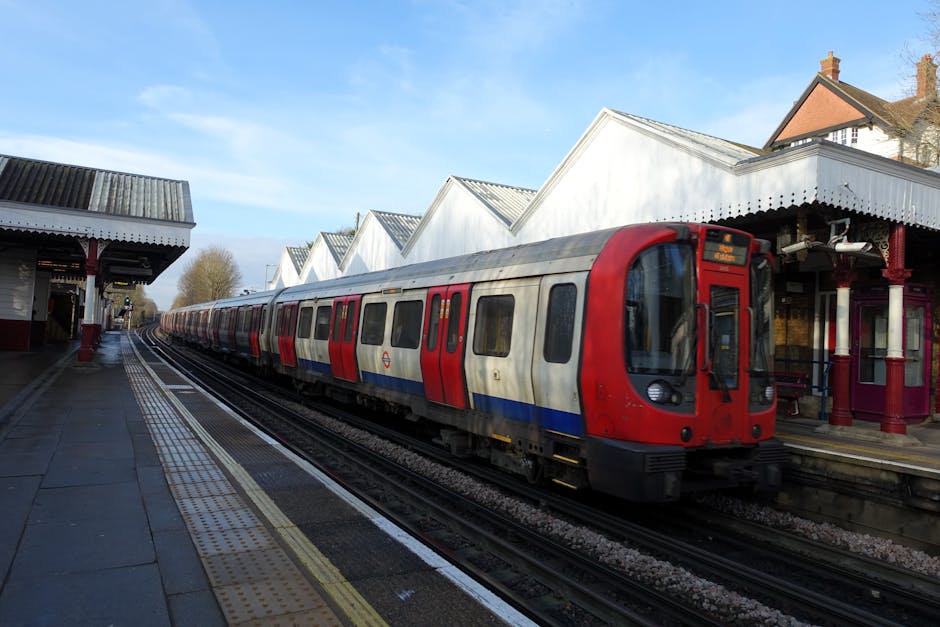
Surbiton is a district in the Royal Borough of Kingston upon Thames, in southwest London, known for its mix of residential streets, Victorian and Edwardian housing, and a railway station that helped shape its growth in the nineteenth century. The station, opened in 1838 and later rebuilt in its distinctive interwar style, remains one of the area’s most recognisable landmarks. The town centre has a broadly urban feel, with local shops, cafés and everyday services clustered around the station and the surrounding roads, while quieter residential streets spread outward toward the river and neighbouring districts. The River Thames lies close by, giving the area a strong connection to riverside walking and open air space. Local green places include Fishponds Park and the larger stretches of Bushy Park nearby, while the social character of the district is influenced by its commuter links, schools, and a long-established suburban identity. Surbiton’s built environment shows the layering of different periods, from older terraces and detached houses to later apartment development, and the contrast between these forms gives the area a varied streetscape. The place name is often associated with easy rail access into central London, yet it also has a recognisable local centre and a pace of life that is distinct from the busier parts of the capital. Its position near Kingston, Thames Ditton and the river corridor places it within a network of well-connected southwest London communities.
Clearance arranged around access, timing and the right load
Garden clearance is often easier when the practical details are understood before the work begins. Access through a side gate, a rear passage or a shared route can affect how waste is moved, especially if items are bulky or the garden has uneven surfaces. Timing matters too, because the best arrangement is one that suits the condition of the garden and the rest of your property schedule. The service can be planned to fit around other tasks rather than forcing them to wait unnecessarily.
Where the waste is substantial, it helps to know whether the load is mostly light cuttings, heavier soil, or mixed outdoor clutter. Each of those categories changes the handling process. A straightforward pile of hedge trimmings is not the same as wet debris mixed with broken wood and old containers. By identifying the load type early, the quotation can reflect the real work involved. That is better for both clarity and practicality, and it reduces the chance of surprises on the day.
If you are unsure how to describe the job, you can simply outline the main areas involved and the visible materials in each one. A brief written note is often enough to start the process, and a clearer discussion can follow if the garden contains more than one type of waste. We are happy to help you shape the request into something workable, so you can request a quotation with confidence when the time is right.
Choosing the right scope for your garden

Not every garden clearance needs the same level of intervention. Some customers want a light removal of trimmings after routine gardening, while others need a much fuller clear-out of items that have accumulated over months or years. The right scope depends on what is present, how accessible it is and what the end goal of the space will be. A carefully chosen scope keeps the job sensible and avoids paying for unnecessary work. It also ensures the result matches the real state of the garden.
When deciding on scope, it is useful to separate immediate waste from items that may need a different decision. For example, a pile of branches may be ready to go, while some old planters, timber pieces or outdoor equipment might still need sorting before removal. That distinction helps the work proceed without confusion. It also gives you a chance to keep any items that still have a purpose rather than treating the whole area as disposable. Practical judgment is often the key to a tidy outcome.
To move forward, choose the areas that matter most, note the main materials and contact us with the key details. A brief explanation is usually enough to begin a sensible quotation, and from there the service can be shaped to suit the garden as it actually is. If you are ready, the next step is simple: tell us what needs clearing and ask for a quote. Contact us to discuss the work and arrange the right garden clearance for your property.